 Zero Social
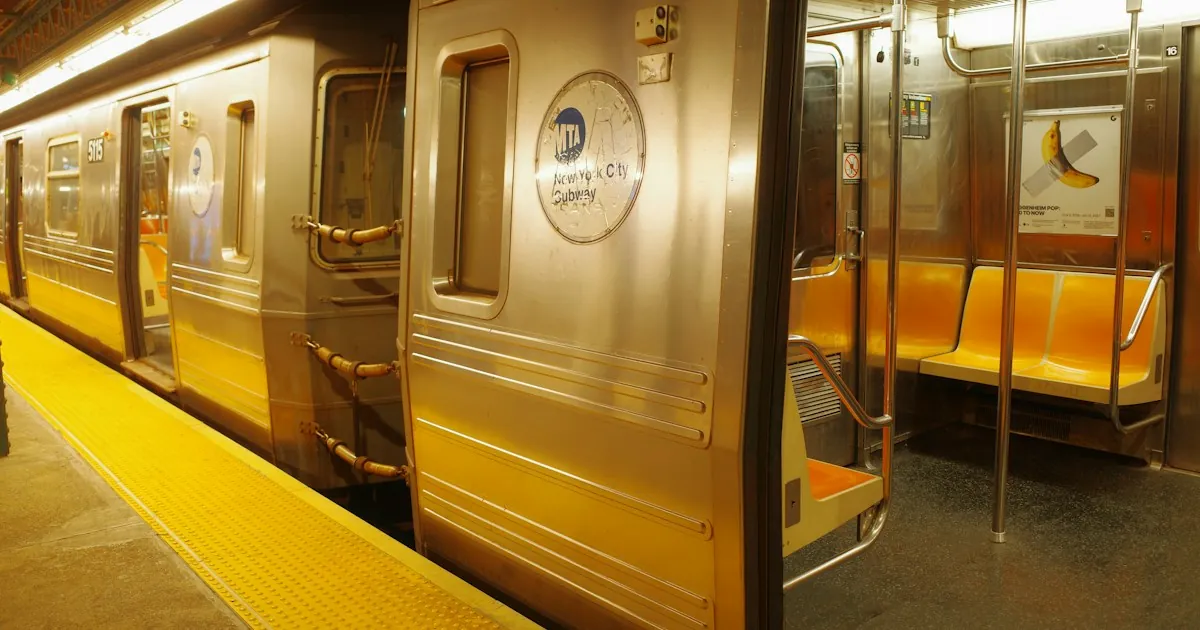
If you are moving to NYC (New York City) alone, choose a neighbourhood by the subway line that gets you to work, then rent with two rules in mind. Under the city's FARE Act, in effect since 11 June 2025, a broker who represents the landlord cannot charge you a fee. New York State caps a security deposit at one month's rent. In your first weeks, set up OMNY tap-to-pay and apply for a free IDNYC card.
This guide covers where to live, what renting costs up front, the first month and meeting people. It does not cover visas or immigration.
How do you choose a neighbourhood by subway commute?
Start from your daily trip. New York City is five boroughs, and a neighbourhood that looks close on a map may need a change of train. Shortlist neighbourhoods within walking distance of a station on a line that reaches your work without a transfer, then ride it once at rush hour before you sign a lease.
The subway fare does not change with distance, so the line matters more than the borough. These fares are from the MTA subway and bus fares page, checked on 23 November 2026:
| Fare | Price |
|---|---|
| Subway or local bus ride | $3 |
| Express bus ride | $7.25 |
| 7-day cap, subway and local bus | $35 |
| 7-day cap including express buses | $67 |
| Single-Ride ticket, valid two hours | $3.50 |
The cap works only if you tap the same contactless card, phone, watch or OMNY Card every time. Your first tap starts the seven-day period, on any day of the week. MetroCards can no longer be bought or refilled since 1 January 2026, so plan on tapping.
Should you get a roommate or a studio in New York?
A studio is simpler on paper. Sharing has more arrangements, and the New York Attorney General's tenants' rights guide explains the main ones. Under Real Property Law section 235-f, a lease cannot stop a tenant from living with immediate family plus one additional occupant and that occupant's dependent children. Landlords may still limit the total number of residents to meet legal overcrowding standards.
Before you move into a shared place, ask which you will be: a tenant named on the lease, a subtenant of the leaseholder, or an occupant living with them. Your rights and costs follow from that answer.
| Building with four or more apartments | Building with three or fewer apartments | |
|---|---|---|
| Can the tenant sublet to you? | Yes, with the landlord's advance consent | No right to sublet; the landlord can say no |
| Landlord's deadline to reply | 30 days, and no reply counts as consent | None |
| If the landlord refuses unreasonably | The tenant may sublet anyway | The tenant can only be let out of the lease on 30 days' notice |
If you take a sublet in a rent-stabilized apartment, the rent you pay cannot exceed the stabilized rent, plus a 10% surcharge if it is furnished.
Do you still pay a broker fee in New York?
Not if the broker works for the landlord. According to the city's FARE Act page, run by the Department of Consumer and Worker Protection (DCWP):
- A landlord's agent cannot charge you a fee. That includes a listing agent who posts an apartment with the landlord's permission, and an agent who publishes a listing is presumed to have that permission.
- Nobody can make renting an apartment conditional on you hiring a broker, including a dual agent.
- You can still choose to hire your own broker and pay them.
- Listings must show every fee you will pay, and before you sign a lease the landlord or agent must give you an itemised written list of fees to sign. They keep it for three years and give you a copy.
If you are charged a fee you should not be, file a complaint with DCWP online or through 311. The law also lets tenants sue in civil court.
Brokers and landlords challenged the law in federal court. On 13 July 2026, the US Court of Appeals for the Second Circuit affirmed the lower court's decision, which had refused to block the law and dismissed the case in part. The law has stayed in force throughout, and the rest of the case continues in the district court.
How much can a New York landlord charge for a deposit and an application?
- Security deposit: no more than one month's rent. The Attorney General's guide says this means a landlord cannot ask for last month's rent and a security deposit.
- Credit and background check: at most $20, and the landlord must give you a copy of the check and the invoice. You can offer your own check instead if it was done in the past 30 days.
- Getting the deposit back: in apartments that are not rent-regulated, the landlord must return it within 14 days of you moving out, with an itemised statement of any deductions. If they miss the 14 days, they must return the whole deposit.
Before you move out, you can ask the landlord to inspect the apartment with you present and tell you what needs fixing, so you can fix it first. New York's Homes and Community Renewal agency says the 14-day rules have also applied to rent-stabilized tenants since 15 November 2025.
What should you set up in your first month in New York?
- Apply for IDNYC. It is a city photo ID for anyone living in New York City aged 10 or over, regardless of immigration status, and free for applicants through 31 December 2026. You need documents worth three points for identity and one for residency, such as a current lease, a utility bill or a recent bank statement. The card is mailed in 10 to 14 business days.
- Set up OMNY. Pick one card or phone for every ride, so the weekly cap applies.
- Keep your rental paperwork: the signed fee disclosure, the lease and any receipt for your deposit.
- Save the city's numbers. 911 is for emergencies and 311 for non-emergency city services, both around the clock. NYC 988, the city's free and confidential mental health line (formerly NYC Well), takes calls and texts on 988 at any hour, which helps if the first weeks feel isolating.
How do you meet people after moving to New York alone?
Use the fare cap. A weekday commute is ten rides. Two more within the same seven days reach the $35 cap, and further subway and local bus rides in that period are free, so a second or third plan that week costs nothing in fares, even across boroughs.
- Keep it local first. A plan in your own neighbourhood is easier to repeat than one an hour away.
- Start before you arrive, so your first weekend has at least one plan.
- Return to the same group weekly. Familiar faces matter more than one big event.
The guide on how to meet people in a new city covers first conversations and follow-ups.
How can Zero Social help when you move to New York?
Zero Social has a New York community. You join once and pick goals inside it, such as Friends, Professional Connect, Group Plans and Roommates. Each goal has its own profile and questions, so a roommate search never mixes with networking. Passport mode lets you choose New York as the city you appear from before your move.
In Roommates, owners post the monthly rent, the room type, move-in timing, the furnishing and who the place suits, and you chat one to one before you visit. Every profile is reviewed by a person, and profiles verified with a live selfie show a badge, but neither is an ID check, and Zero Social does not verify listings. See how the New York community on Zero Social works.
How do you stay safe when meeting people and viewing apartments?
Meet anyone new in a public place first, tell a friend where you are going and who you are meeting, and plan your own way home. Never send money or a deposit for a room or apartment you have not seen in person. A landlord's listing agent who asks you to pay their fee is breaking the FARE Act, so treat that as a warning sign.
If something feels unsafe on the subway, call 911 or tell MTA staff; some trains have intercoms near the ends of each car. On Zero Social, you can report or block someone from their profile or the conversation.
Want to meet people who share your interests?
Explore the New York communityQuestions
Frequently asked
Do tenants still pay broker fees in New York City?
Not to a broker who represents the landlord. Since 11 June 2025, the FARE Act bars landlords' agents and listing agents from charging tenants. You can still hire and pay your own broker if you choose.
Can a New York landlord ask for first month, last month and a security deposit?
No. The New York Attorney General says a security deposit is limited to one month's rent, so a landlord cannot ask for last month's rent and a security deposit.
How quickly must a New York landlord return a security deposit?
Within 14 days of moving out, with an itemised statement of any deductions. If the landlord misses that deadline, they must return the whole deposit.
How much can a landlord charge for a rental application in New York?
At most $20 for a credit and background check, with a copy of the check and the invoice. You can supply your own check from the past 30 days instead.
Is IDNYC free, and can newcomers get it?
IDNYC is free for applicants through 31 December 2026. Anyone living in New York City aged 10 or over can apply, regardless of immigration status, with proof of identity and residency.
Can I start meeting people in New York on Zero Social before I move?
Yes. Passport mode lets you choose New York as the city you appear from in a goal profile, so you can join the New York community and start conversations before you arrive.