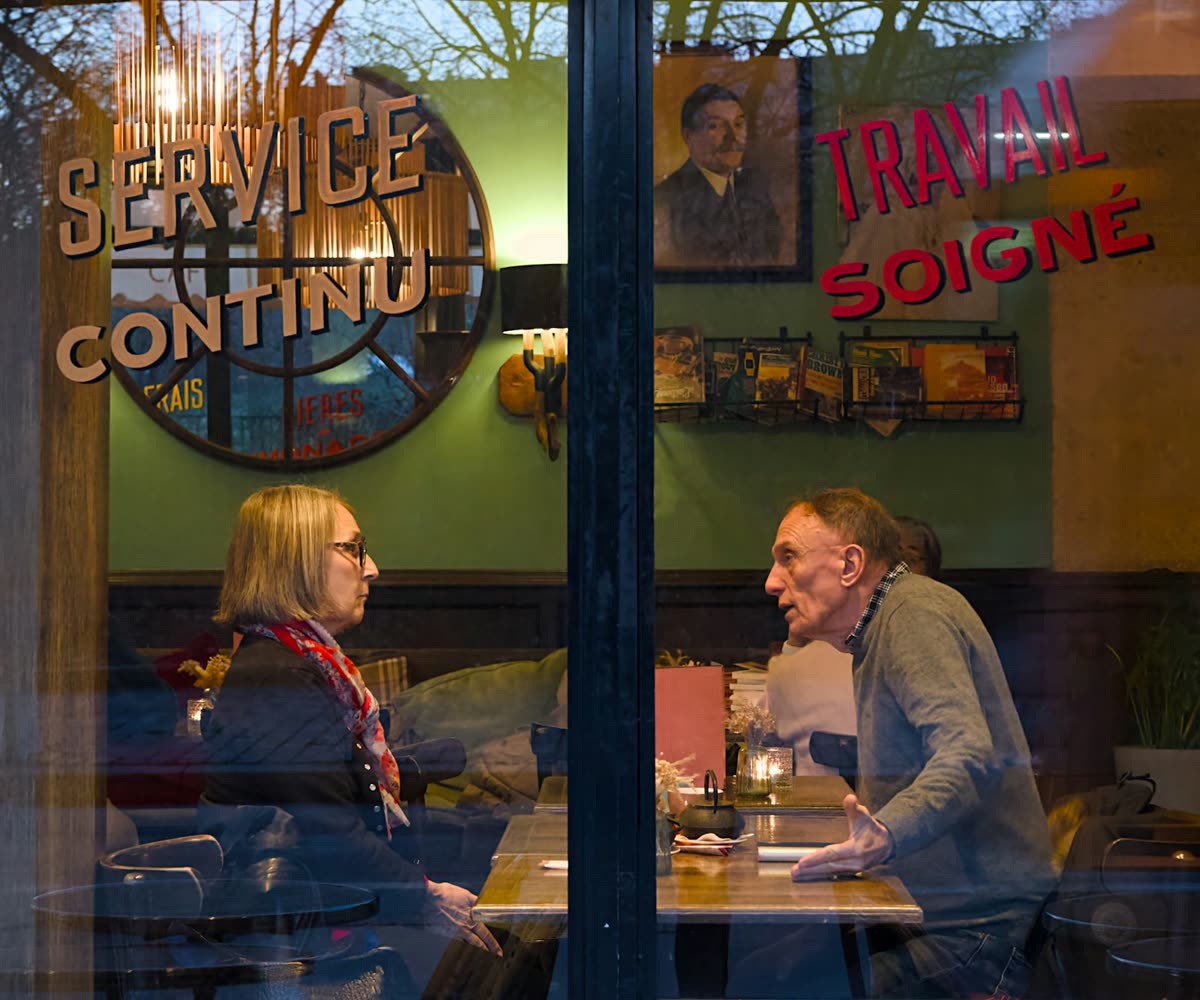
If you are considering a stranger meetup, safety starts before you choose the venue. Begin with a shared context such as a book group, running club, travel community, workshop, or public event. Keep early conversation measured, check whether the person respects simple boundaries, and make the first meeting easy to leave.
You do not need to treat every new person as dangerous. You do need to avoid treating a friendly profile or shared interest as proof of trust. The goal of a first meeting is to learn more, not to surrender control of your time, money, privacy, or transport.
What is the safest way to meet a stranger?
- Start with a specific shared activity or community.
- Keep the first conversation on the platform when possible.
- Suggest a busy public place during a time when other people are present.
- Tell someone you trust who you are meeting, where, and when you expect to return.
- Use your own transport or keep a clear independent way to leave.
- Check in with your trusted contact during or after the meeting.
These steps are simple on purpose. Safety works better as a routine than as a complicated test that people remember only when something already feels wrong.
Why is shared context useful when meeting new people?
A shared activity gives you a natural subject and a public setting. You can notice how someone speaks to other participants, handles a disagreement, and respects the group’s rules. A community does not guarantee that everyone is safe, but it gives you more information than a conversation with no context.
Choose a format that matches your comfort level. A group walk, workshop, reading session, or daytime coffee can be a better first step than a private meeting in an unfamiliar place. You can always spend more time together later if the first interaction feels comfortable.
What should you check before agreeing to a meetup?
- The plan: Is the activity specific, public, and easy to leave?
- The timing: Can you get home independently if the meeting ends early?
- The communication: Does the person answer practical questions without becoming defensive?
- The pressure: Are they trying to rush you into a private venue, booking, or financial commitment?
- The boundaries: Do they accept “no,” a slower pace, or a change of plan?
A person does not have to share all your preferences to be worth meeting. The more useful signal is whether differences can be discussed without pressure.
What information should you keep private?
Do not share your passwords, one-time passwords, banking information, identity documents, home address, precise daily routine, or access to work systems. Avoid posting live location details publicly. You can share a broad neighbourhood or a public meeting point without revealing where you live.
Be careful with photographs that show documents, house numbers, tickets, or identifying details. A new contact does not need access to every part of your life to decide whether they would enjoy the same activity.
How can you keep control of money and transport?
Pay for your own essential transport and keep enough money for the journey home. Do not send money to someone you have not met because of an urgent story, a promised booking, or a request to unlock an opportunity. Be cautious when someone insists that you pay for the whole group or asks for financial details early.
For a first meeting, avoid arrangements that make you dependent on the other person for a ride, accommodation, tickets, or a return journey. Independence gives you options if the plan changes.
What are the warning signs during a first conversation?
- They avoid basic questions about the event or meeting place.
- They pressure you to move immediately to a private channel.
- They become angry when you set a reasonable boundary.
- They ask for money, financial information, or identity documents.
- They insist that you keep the meeting secret from people you trust.
- Their story changes when you ask ordinary practical questions.
You do not need to prove that someone has bad intentions before declining. Discomfort, pressure, or an unclear plan is enough reason to pause or leave.
How does the Zero Social app support a safer starting point?
The Zero Social app helps people begin through communities and shared interests. A travel, books, sports, arts, or local community can give a first conversation a clear reason. Use that context to learn more gradually, not as a substitute for your own judgement.
Keep the same boundaries on any platform: protect private information, use available reporting and blocking controls, and choose a first meeting that is public and independent. The app can help you find a relevant starting point; you still decide whether and how to meet.
What should you do if a meetup feels unsafe?
Leave without debating the decision. Move toward staff, security, friends, or a busy public area. Contact your trusted person and use local emergency services if there is an immediate danger. Afterward, block or report the account through the relevant platform and keep any messages or payment records that may help with a report.
You are not responsible for protecting someone’s feelings when your safety boundary is being ignored. A short explanation is optional; getting to a safe place is the priority.
What is a sensible first meetup plan?
Choose a daytime or early-evening public activity with a defined end time. Tell a trusted person the plan, arrange your own transport, and decide in advance what would make you leave. Start small: a one-hour coffee, a group workshop, or a public community event gives you useful information without creating a large commitment.
Explore shared-interest communities on Zero Social when you want a clearer reason to start a conversation with someone new.
Want to meet people who share your interests?
 Find a shared-interest community on Zero Social
Questions
Frequently asked
What is the safest way to meet strangers?
Start through a shared activity or community, meet in a busy public place, tell someone you trust, use your own transport, and keep control of your money, phone, documents, and return plan.
How do I know whether someone is safe to meet?
Look for consistent communication, respect for boundaries, a clear public plan, and no pressure for money, secrecy, private locations, or sensitive information. You cannot prove trust in advance, so begin with a small meeting.
What should I never share with a new person?
Do not share passwords, one-time passwords, banking details, identity documents, your exact home address, or access to work systems.
Is it safer to meet in a group?
A group can provide more public context and make leaving easier, but it does not remove the need for privacy, transport, reporting, and boundary-setting.
Can Zero Social help me meet people safely?
Zero Social can provide a shared-interest community as a starting point. Use normal safety boundaries, protect private information, and decide independently when and where to meet.