 Zero Social
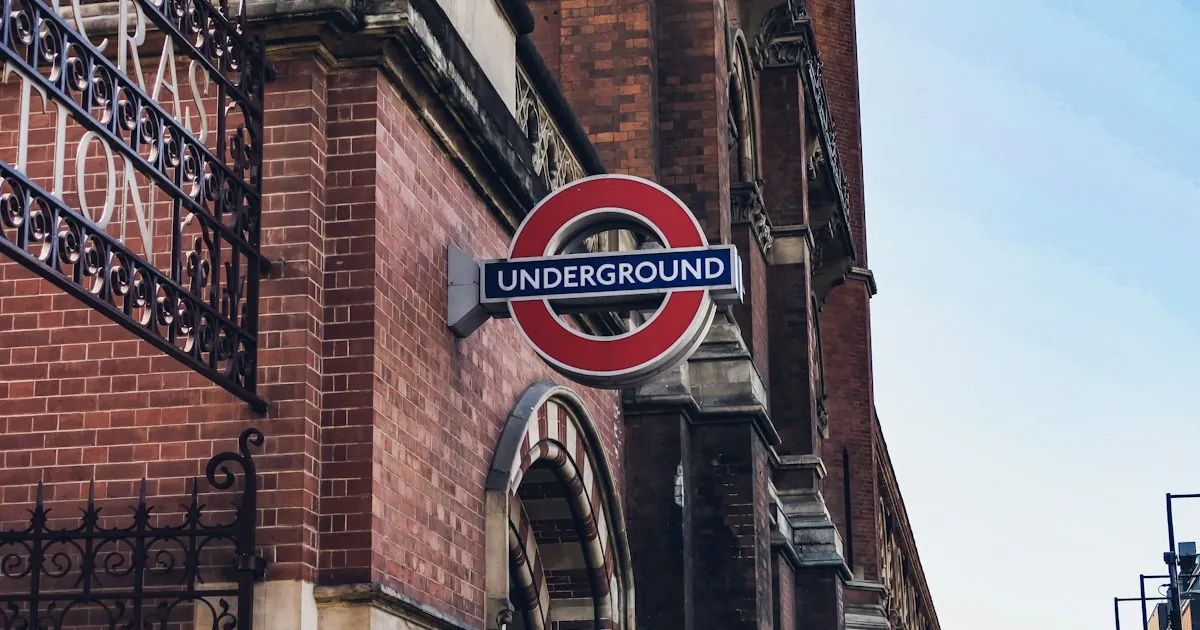
If you are moving to London alone, do it in this order: choose an area by the commute you will make most days, rent only on terms the law protects, then set up a GP, a bank account and contactless travel in your first weeks. Renting in England changed on 1 May 2026, when assured periodic tenancies replaced assured shorthold tenancies. That changed what a landlord can ask you to pay before you move in.
This guide covers renting, the first month and meeting people. For visas and permission to live or work in the UK, use GOV.UK visas and immigration only.
How do you choose where to live in London by commute?
Start from the journey, not the postcode. Work out where you will travel most weekdays, then shortlist areas on a line that reaches it with few changes. Transport for London (TfL) caps what you pay on contactless or Oyster in a day (04:30 to 04:29 the next morning) and in a fixed Monday to Sunday week, based on the zones you travel through.
These are the adult caps for Tube, DLR, London Overground, Elizabeth line and most National Rail journeys, as listed on the TfL fare capping page on 23 November 2026:
| Zones you travel in | Daily cap | Monday to Sunday cap |
|---|---|---|
| Zone 1 only | £8.90 | £44.70 |
| Zones 1 and 2 | £8.90 | £44.70 |
| Zones 1 to 3 | £10.50 | £52.50 |
| Zones 1 to 4 | £12.80 | £64.20 |
| Zones 1 to 5 | £15.30 | £76.40 |
| Zones 1 to 6 | £16.30 | £81.60 |
| Bus and tram only | £5.55 | £26.10 |
Two details matter when you compare areas. A commute across Zones 1 and 2 caps at the same price as Zone 1 alone, and a bus-only commute caps well below any rail cap. A trip outside your capped zones is charged extra, so price the exact journey before you sign anything.
Then make the trip once at the hour you would really travel. A short line on the map can hide a long walk or a crowded change.
Should you rent a room in a flatshare or a studio?
Price is the obvious difference, but the legal position matters as much. Under GOV.UK's definition, your tenancy is an assured periodic tenancy (APT) when the place is your main home, the landlord does not live there, and you have your own room, even if you share a kitchen or bathroom. That describes a typical room in a flatshare where the landlord lives elsewhere.
If the landlord lives in the flat and you share rooms with them, you are likely a lodger on an excluded tenancy or licence, which gives you less protection from eviction. If several tenants sign one agreement, it is a joint tenancy, and all of you are responsible for the rent.
| Room in a flatshare, landlord lives elsewhere | Room in the landlord's own home | Studio or whole flat | |
|---|---|---|---|
| Usual tenancy type | APT | Lodger: excluded tenancy or licence | APT |
| Deposit must go in a government scheme | Yes | Not required | Yes |
| Right to rent check | Yes | Yes | Yes |
| Council tax discount for living alone | No, unless the other adults are disregarded | Ask the council | 25% off if you apply |
What can a London landlord ask you to pay up front?
For private renters in England, the Tenant Fees Act and the Renters' Rights Act, in force since 1 May 2026, set these limits:
- No rent before you sign. A landlord cannot ask for, encourage or accept rent before the tenancy agreement is signed.
- At most one month's rent in advance, paid after signing and before the tenancy starts.
- A holding deposit of up to one week's rent, per tenancy rather than per person, normally held for 15 days.
- A tenancy deposit of up to five weeks' rent where the annual rent is below £50,000, or six weeks between £50,000 and £100,000.
- The advertised price. A written advert or offer must state a rent, and the landlord cannot accept or encourage bids above it.
On an APT, the landlord or agent must put your deposit in one of three government-approved schemes within 30 days of receiving it: the Deposit Protection Service, MyDeposits or the Tenancy Deposit Scheme. Ask which one and look it up yourself. At the end, they must return the deposit within 10 days of you both agreeing the amount. The GOV.UK tenancy deposit protection guide has the details.
An APT has no end date. You can leave by giving two months' notice in writing, and landlords can no longer use section 21 "no fault" evictions.
What is a right to rent check, and what will you need?
Before a new tenancy in England starts, the landlord must check that every adult who will live there can legally rent, whether or not they are named on the agreement. British and Irish citizens usually show a passport. Anyone else can use a share code from GOV.UK or their original immigration documents, and the landlord cannot reject you for choosing documents over a share code.
If your permission to stay is time-limited, the check happens in the 28 days before the tenancy starts. Landlords must check all new tenants, not only people they think are not British. For your own situation, follow GOV.UK's prove your right to rent guide rather than an agent's summary.
What should you set up in your first month in London?
- Register with a GP. Everyone in England can register free, and most surgeries take registrations online through the NHS website. The form takes about 15 minutes, and you will usually be registered within five days. You do not need ID, proof of address, proof of immigration status or an NHS number.
- Open a bank account. Citizens Advice says you usually have to show a bank two separate documents: one that proves who you are, such as a passport, and one that proves where you live, such as a recent bill. If you do not have the documents a bank wants, it says the bank should accept a letter from a responsible person who knows you, such as a GP or a teacher.
- Set up travel. Pay as you go with a contactless card, a phone or an Oyster card. Touch in and out with the same card or device every time, or the cap will not apply. If your card was issued outside the UK, your bank may add overseas charges.
- Sort council tax. If you live on your own, you can apply to your council for 25% off. In a flatshare, the landlord can include council tax in the rent or make you pay the council directly, but cannot ask you for a separate council tax payment to them.
How do you meet people after moving to London alone?
Pick one weekly activity on the route you already travel, such as an evening class or run club a few stops from work. Something on your way home is easier to keep going to than something that needs a second trip across the city, and TfL caps mean extra journeys within zones you have already capped that day cost nothing more.
- Start before you land. Message people in London while you are still at home, so your first weekend has one plan in it.
- Say yes early to housemates, but build one circle outside the flat as well, so your social life does not depend on one tenancy.
- Go back to the same place. Familiar faces at a weekly session do more than one large event.
The guide on how to meet people in a new city covers first conversations and follow-ups in more depth.
How can Zero Social help when you move to London?
Zero Social has a London community. You join once and pick goals inside it, such as Friends, Professional Connect, Group Plans and Roommates. Each goal has its own profile and questions, so a flatshare search stays separate from making friends. Passport mode lets you choose London as the city you appear from before you arrive.
In Roommates, owners post the monthly rent, whether it is a private room, a shared room or a whole flat, when you can move in, the furnishing and who it suits, and you chat one to one before you visit. Every profile is reviewed by a person, and profiles verified with a live selfie show a badge, but neither is an ID check, and Zero Social does not verify listings. See how the London community on Zero Social works.
How do you stay safe when meeting people and viewing rooms?
Meet anyone new in a public place first, tell a friend where you are going and who you are meeting, and keep your own way home. Never send money, a holding deposit or a tenancy deposit for a room you have not seen in person. Treat any request for rent before you sign as a warning sign: since 1 May 2026, a landlord in England is not allowed to accept it.
Call 999 if someone is in immediate danger and 101 for non-emergencies; both calls are free. On Zero Social, you can report or block someone from their profile or the conversation.
Want to meet people who share your interests?
Explore the London communityQuestions
Frequently asked
How much deposit can a London landlord ask for?
Up to five weeks of rent when the annual rent is below £50,000, or six weeks between £50,000 and £100,000. A holding deposit is capped at one week of rent. On an assured periodic tenancy, the deposit must go into a government-approved scheme within 30 days.
Can a landlord in England ask for several months of rent up front?
Not since 1 May 2026. A landlord cannot take any rent before the tenancy agreement is signed, and after signing can ask for at most one month of rent in advance.
Do I need proof of address to register with a GP in London?
No. The NHS says you only need to give basic details such as your name, date of birth and address. You do not need ID, proof of address, proof of immigration status or an NHS number.
Is a room in a London flatshare covered by the new renting rules?
Usually, if the landlord lives elsewhere and you have your own room. That is an assured periodic tenancy. If the landlord lives in the flat and you share rooms with them, you are more likely a lodger with fewer protections.
Does living alone in London reduce council tax?
Yes. A full council tax bill assumes at least two adults, so if you live on your own you can apply to your local council for 25% off the bill.
Can I start meeting people in London on Zero Social before I move?
Yes. Passport mode lets you choose London as the city you appear from in a goal profile, so you can join the London community and start conversations before you arrive.