 Zero Social
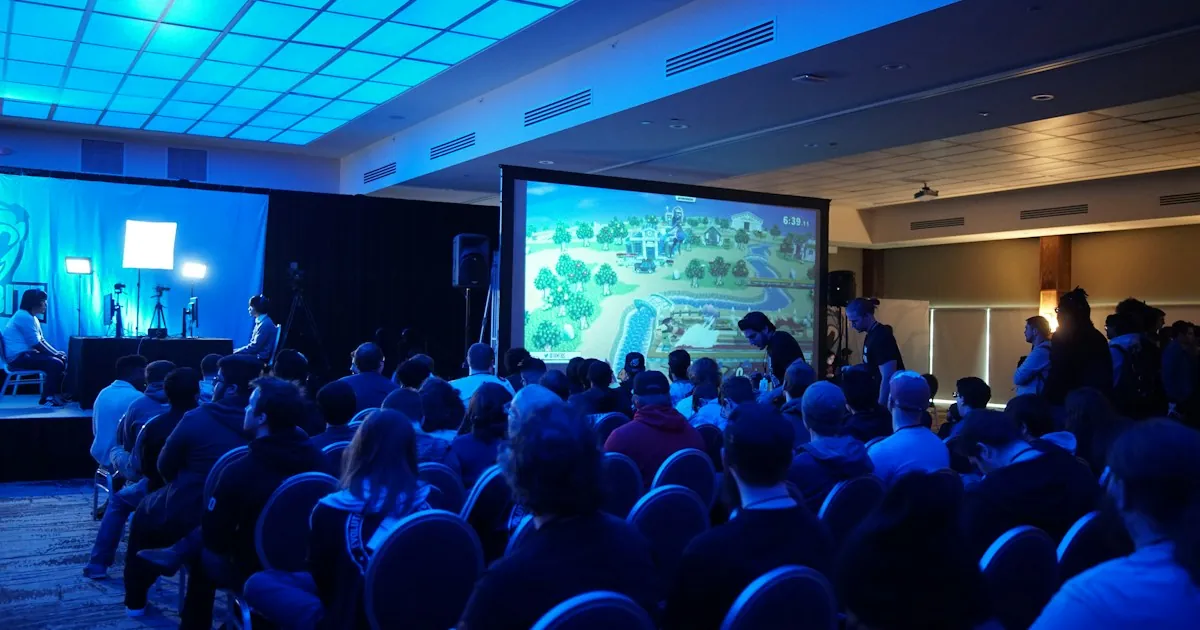
The short answer to how to network as a software engineer: make your work visible to the engineers you want to know, then talk to them about it. Contribute to an open source project you already use, write up or present a problem you solved, and pick one meetup or conference where you can do something rather than just stand in the hallway. Inside your company, work across teams. When you message someone, reference their work and ask for one small thing.
Developer networking rewards evidence. An engineer who has reviewed your pull request or watched your lightning talk already knows how you think, which makes every later conversation easier.
How does open source contribution help you network?
Maintainers and regular contributors are a ready-made peer group, and a merged contribution is a reference they can speak to. The catch is doing it in a way maintainers welcome.
- Start with a project you use. You already understand its problems, and you will keep showing up.
- Find beginner-friendly issues. Many projects label them "good first issue" or "help wanted". GitHub suggests adding
/contributeto a project's URL to list them, for examplegithub.com/nodejs/node/contribute. - Ask before you build. GitHub's contribution guide says that if an issue has neither label, ask the maintainers in the issue whether a pull request is welcome.
- Read the README, CONTRIBUTING file and code of conduct before your first comment.
Reviews and issue triage count too. Reproducing a bug report or improving a missing docs page gets you known by maintainers without a large code change.
What changed with Hacktoberfest in 2026?
Older advice says to use Hacktoberfest to rack up pull requests. That no longer applies. Hacktoberfest 2026, which ran from 1 to 31 October, stopped counting pull requests. Its site says the focus moved to building with open-weight models and open source AI, through in-person and online community events called Fests.
For networking, that was better news than it sounds. A local Fest put you in a room with developers working on the same thing, and the format no longer rewarded the drive-by PRs that annoy the people you want to impress.
Which meetups and conferences are worth your time?
Choose events where you can take part. Formats that put attendees to work are where real conversations start.
| Format | Example | Why it helps you meet people |
|---|---|---|
| Local developer group | Google Developer Groups | Recurring, so you see the same faces. Google's community pages point you to a map of chapters, and you can apply to lead a chapter in your area. |
| Attendee-led sessions | PyCon US Open Spaces | One-hour gatherings created by attendees during the conference. Anyone registered can host one on a topic they care about. |
| Sprints | PyCon US sprint days | Held after the main conference, free to attendees, and open to first-time contributors. You work beside maintainers for a day or two. |
| Lightning talks | PyCon US, each main conference day | A short slot is a low-stakes way to become the person others come to talk to. |
Hosting beats attending. If you run a small Open Space or a meetup on a niche topic, the people who care about that topic come to you.
Should software engineers write and give talks?
Yes, and it does not need to be polished. The most useful posts are specific: the bug that took three days, the migration that went wrong, the library you compared and why you picked one. Engineers search for exactly those problems, and the ones who find your post are the people you would want to meet.
- Write up one problem a month from your own work, with company details removed.
- Turn the best write-up into a lightning talk at a local meetup.
- Send the post to two or three people whose work you referenced. That is a natural first message.
How do you network inside your own company?
Your colleagues are a network you can build every working day. People who have shipped with you are the ones who can vouch for you later.
- Review code outside your team when you have context. Thoughtful reviews get noticed.
- Join incident reviews and cross-team projects. They put you next to engineers you would not otherwise meet.
- Give an internal tech talk on something you learned. Internal audiences are forgiving.
- Keep in touch when people leave. A former teammate at another company can be your warmest route in there.
How do you ask for a referral without making it awkward?
Ask people who have seen your work: former teammates, maintainers you have contributed alongside, someone from a meetup who watched your talk. Asking a stranger for a referral puts them in a position they cannot honestly fill.
- Send the specific role link, not "anything at your company".
- Include three lines they can paste: what you work on, one relevant result, why this role.
- Make it easy to say no: "Totally fine if you don't know the team well enough."
- Tell them what happened, whatever the outcome.
How do you write a cold message that gets a reply?
Keep it to four sentences: who you are in one clause, why this person specifically (something they built, wrote or said), one small ask, and explicit permission to decline. "Could I ask you two questions about how your team moved off the monolith?" is far easier to say yes to than "Can I pick your brain?"
Do not ask for a job in a first message. Ask for information, act on the answer, and report back. For the second message, see how to follow up after meeting someone new.
If you are building a professional circle after relocating, follow the 30-day networking plan for a new city alongside these software-specific ideas for open source, meetups and referrals.
How can Zero Social help engineers network?
The STEM community on Zero Social includes Tech & Engineering Connect, a profile for engineers, developers, and data and AI people. It asks your specialisation, such as backend, mobile, security or machine learning, where you are in your career and what you want right now. “Still learning to code” is one of the specialisation answers, so you do not need a job title to join.
To meet people outside engineering, such as founders, designers or product people, Professional Connect Globally on Zero Social asks the same kind of questions across industries, and it is in every city community. There are no follower counts, and conversations are one to one by text or voice. Every profile is reviewed by a person, and profiles verified with a live selfie show a badge; neither is an ID or background check.
How do you stay safe meeting someone from online?
Meet a new contact from an app, forum or Discord in a public place first, and tell a friend where you are going. Never send money or a deposit for a "paid project", course or job placement before you have met in person and confirmed who you are dealing with. Report or block anyone who pressures you. More in how to meet strangers safely.
Want to meet people who share your interests?
Explore the STEM community on Zero SocialQuestions
Frequently asked
What is the best way to network as a software engineer?
Make your work visible to the engineers you want to know: contribute to an open source project you use, write up or present problems you have solved, take part in a meetup or conference, and reach out with one specific, small ask.
Does Hacktoberfest still count pull requests?
No. Hacktoberfest 2026, which ran in October, stopped counting pull requests. It centred on in-person and online Fests about building with open source AI.
How do I find a good first issue on GitHub?
Look for issues labelled "good first issue" or "help wanted", or add /contribute to a project’s GitHub URL. If an issue has neither label, ask the maintainers in the issue before opening a pull request.
How do I ask for a referral as a software engineer?
Ask someone who has seen your work, send the exact role link, give them three lines they can paste about you, and make it easy for them to say no. Follow up with the outcome either way.
How can introverted developers network?
Lean on asynchronous and structured formats: code review, issue threads, written posts and attendee-led conference sessions. They let people get to know your work before you ever have to start a conversation.