 Zero Social
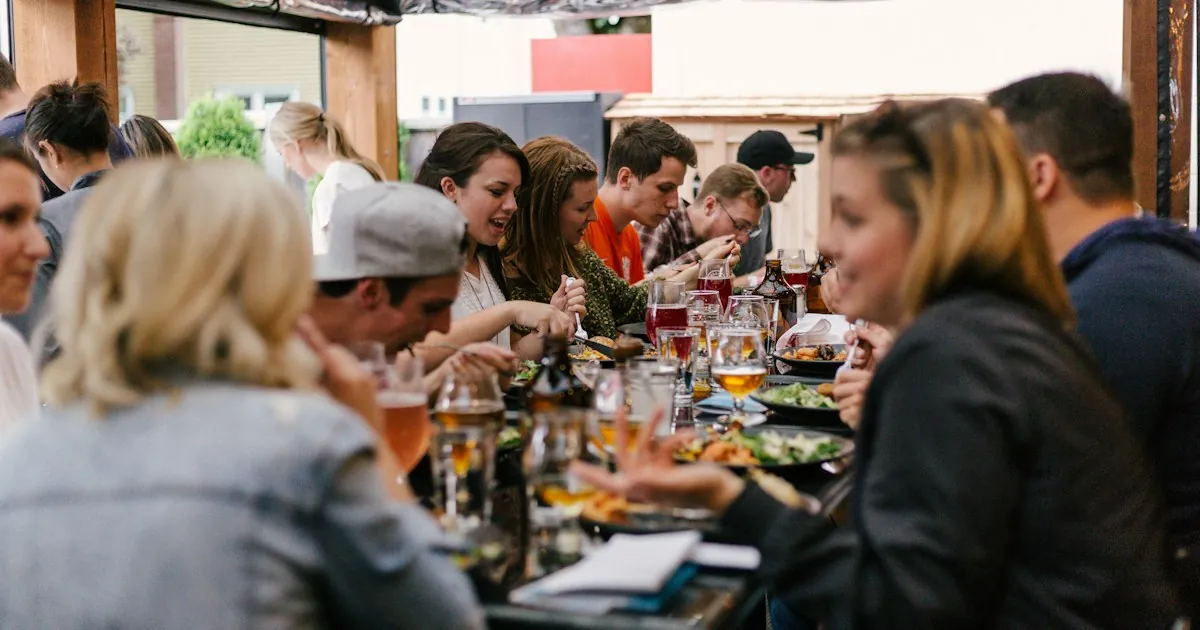
To host a dinner with strangers, give it one clear rule, keep the table small and hold the first one somewhere public. Say what it costs before anyone joins, write a few lines of house rules, and be there yourself. If guests will pay you for food you cook or for drinks, check the local rules first, because a paid supper club can count as a food business.
This guide covers formats that work with people who have not met, what the event platforms charge, the food, alcohol and music rules in the UK, India and the US, and how to keep a new group safe.
Which format works with people who have never met?
A format does the awkward work for you: everyone knows what happens next. These have published rules you can borrow:
| Format | How it runs | Good for |
|---|---|---|
| Small table | Timeleft puts four to six people together at a public restaurant it has booked, and each guest orders and pays the venue. | A first dinner with no cooking |
| Jefferson dinner | 8 to 14 guests and one conversation for the whole table, the whole time. The host sends an opening question ahead and makes sure everyone speaks. | Talk with depth |
| Silent Book Club | Bring your own book, read in silence for about an hour in a public place, then chat if you want to. | Quiet people and readers |
| Death Cafe | A not-for-profit talk about death with no agenda, run by a host and a facilitator. It never charges a ticket price. | Conversations people rarely get to have |
Sources: Timeleft's dinners page, the Jefferson Dinner guide, Silent Book Club and Death Cafe's how-to.
Should the first one be at home or at a venue?
At a venue. A cafe or restaurant means nobody has your address, guests can leave when they like, and the venue handles food and drink. Timeleft books public restaurants for its dinners, and Silent Book Club asks for "a comfy public setting".
Move to your home once you know the people coming. The UK's personal safety charity, the Suzy Lamplugh Trust, gives the same advice for any first meeting: meet in a public space, tell someone where you are going, and plan how you will get home.
What do event platforms charge a host?
For a free plan, usually nothing. For paid tickets, fees stack up, so read the pricing page on the day you publish. These are the pages as they read on 23 November 2026:
| Platform | Free plan or event | Paid tickets |
|---|---|---|
| Eventbrite | Free events cost nothing to publish | 3.7% + $1.79 service fee per ticket, plus 2.9% payment processing per order, on its US page. Buyers pay the fees unless you choose to absorb them. |
| Luma | Free plan with unlimited events and guests | 5% platform fee on the free plan, 0% on Luma Plus ($59 a month, billed yearly), plus card fees from Stripe on both |
| Partiful | The core platform is free | "A small fee" on tickets, size not stated |
| Meetup | A free Starter plan for first-time organisers, with limits on groups, events and attendees | Standard, the main organiser plan, is a paid subscription |
Sources: Eventbrite pricing, Luma pricing, Partiful's help centre and Meetup's Starter announcement.
What should you charge guests?
Charge what it costs you and say so before anyone joins. If everyone orders at a restaurant, you may not need to charge at all: each person pays the venue. Meetup's own advice to new organisers is not to be afraid to ask members to chip in to cover costs. If you choose a format like Death Cafe, its rules rule out a ticket price; a donation is allowed.
Do you need permission to serve food to paying guests?
Often, yes, once it is regular. The rules depend on where you live:
- United Kingdom. The Food Standards Agency's guide to starting a food business says that if you supply food to the public regularly, for free or otherwise, you register with your local council at least 28 days before trading. Registration is free and cannot be refused, a home business gets a hygiene inspection at home, and you must tell guests about the 14 allergens. Very limited, infrequent food may not need registering; the council decides.
- India. Since 1 April 2026, FSSAI registration covers food businesses with turnover up to Rs 1.5 crore (it was Rs 12 lakh), and costs Rs 100 a year, according to FSSAI's order of 13 March 2026. Check on FoSCoS which kind of business you are before applying.
- United States. Rules are set by each state, then county or city. In California, selling meals cooked at home needs a permit under the Microenterprise Home Kitchen Operation law, only where the local government has adopted it. Long Beach's page caps one at 30 meals a day and 90 a week.
What about alcohol and music?
In England and Wales, selling alcohol where there is no licence needs a Temporary Event Notice: £21, for under 500 at any one time including staff, applied for at least 10 clear working days ahead, by someone aged 18 or over. Whether drinks included in a ticket price count as a sale is not spelled out on gov.uk, so ask your council's licensing team.
In the US, alcohol rules are set by each state. In New York State, a One-Day Alcohol Event Permit costs $36 per point of sale per day and must reach the State Liquor Authority 15 business days ahead.
For music in the UK, PPL PRS defines a public performance as playing music "outside of a domestic setting", which usually needs TheMusicLicence. At a venue that already holds one, the venue is responsible. If you sell tickets to a dinner at home, ask PPL PRS whether it needs a licence.
How do you keep a group of strangers safe?
- Publish house rules in the invitation. Meetup asks organisers to put safety guidelines in the group and event descriptions.
- Be there yourself. Eventbrite's community guidelines require an organiser, host or staff member on site for the whole event.
- Cap the numbers, and say whether guests can bring a friend.
- Share the venue late, as Timeleft does, and keep your home address back until you know people.
- Make sure everyone can get home. Finish before the last train or bus, and suggest guests tell a friend where they are.
How do you run the evening itself?
Send one question with the invitation so people arrive with something to say. Open with a round where each person answers it. Keep to one conversation for the first part of the night if the group is small, as Jefferson dinners do, so nobody ends up stuck at the quiet end. The next day, thank everyone and say when the next one is, so the people who enjoyed it can come back.
How does Zero Social help you host?
Social Group Plans on Zero Social is built for this. You post a plan, such as a dinner, a walk or a game night, and mark its vibe, its category and its cost: Free, $ Low, $$ Mid or $$$ Luxury, so guests know what they are signing up for before they ask. People ask to join, you read their profiles, and you choose who comes. Everyone going shares one group chat.
Your host profile has its own space for "About you as a host" and photos from your past plans, so a newcomer can see what your evenings are like. Social Group Plans is in nearly every community, so you can host for your city, or for people who share an interest such as food, books or photography.
Every profile is reviewed by a person, and profiles verified with a live selfie show a badge. Zero Social does not run or check the plans people post, so the house rules and the venue are yours to choose. Host your first plan.
Want to meet people who share your interests?
Host a plan on Zero SocialQuestions
Frequently asked
How many people should I invite to a dinner with strangers?
Small works best. Timeleft seats four to six at a restaurant, and the Jefferson Dinner format runs 8 to 14 guests in one conversation. Start small, then grow once the format works.
Do I need to register a paid dinner in the UK?
If you supply food to the public regularly, yes: register with your local council at least 28 days before trading. Registration is free. Very limited, infrequent food may not need it, and the council decides.
Do I need an FSSAI registration to sell home-cooked dinners in India?
A food business with turnover up to Rs 1.5 crore needs FSSAI registration, which costs Rs 100 a year since 1 April 2026. Check on FoSCoS which kind of business fits your dinners.
Is Eventbrite free for hosts?
Free events cost nothing to publish. On paid tickets, its US page lists a 3.7% plus $1.79 service fee per ticket and 2.9% processing per order, paid by buyers unless you absorb them.
Can I serve alcohol at a paid event in England?
Selling alcohol where there is no licence needs a Temporary Event Notice, which costs £21 and must be given at least 10 clear working days ahead. Ask your council whether drinks in a ticket count as a sale.
Can I choose who comes to my plan on Zero Social?
Yes. People ask to join and tell you a little about themselves, and the host decides who comes. Everyone going then shares one group chat.