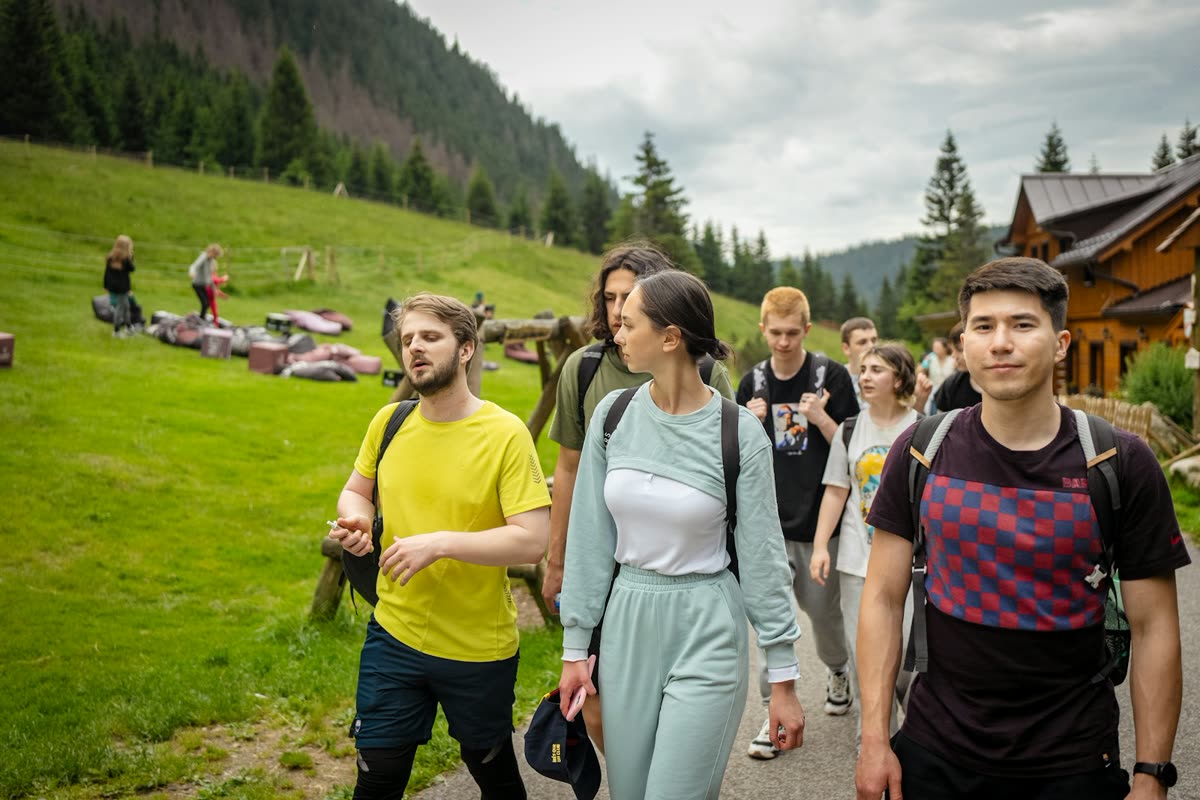
When comparing solo travel groups with group tours, start by asking how much structure you want. A solo travel group may be organised around a shared interest or community, with more room for conversation and flexible plans. A group tour usually offers a defined itinerary, transport arrangements, and a person responsible for coordinating the schedule.
Neither option is automatically better. The right choice depends on whether you want to plan less, meet people through a shared interest, control your own pace, or follow a ready-made route. Compare the details before you pay.
What is the difference between a solo travel group and a group tour?
A solo travel group brings people together around a trip, activity, destination, or community. The organiser may coordinate the plan, but the social purpose can be as important as the route. Members often want to meet people who share a travel style or interest.
A group tour is usually a packaged experience with a set itinerary, defined inclusions, and an operator responsible for logistics. The group may contain people with different reasons for joining. The structure can be useful when you want transport, accommodation, activities, or guides arranged in advance.
Which option gives you more flexibility?
Solo travel groups often allow more discussion before and during the trip. You may be able to choose some activities, spend part of the day independently, or adapt the plan with the group. That flexibility depends on the organiser, so ask before assuming it exists.
Group tours usually follow a tighter schedule. This can reduce decision fatigue, but it may make it harder to skip an activity, change the route, or spend a day alone. Choose a tour when the fixed structure feels helpful rather than restrictive.
Which option is better for meeting people?
A solo travel group may be the stronger choice when meeting compatible people is part of your reason for travelling. Shared interests, smaller activities, and repeated conversation can give you more natural openings than a large itinerary where everyone simply follows the guide.
A group tour can still create friendships, especially when the group is small and the schedule includes shared meals or activities. Ask how large the group is, whether people travel alone, and how much time participants actually spend together.
Also ask whether the social experience is an explicit part of the format or simply a possible side effect. Some travellers prefer quiet logistics and independent time. Others want introductions, shared meals, and activities that make conversation easier. Neither preference is wrong, but it should match what the organiser describes.
How should you compare the costs?
Do not compare only the advertised price. Write down transport, accommodation, meals, entry fees, equipment, local travel, taxes, tips, and optional activities. A cheaper-looking group may require more separate planning, while a tour may include services that you would otherwise buy yourself.
Also check payment deadlines, refund rules, cancellation windows, and what happens if the organiser changes the plan. Ask for a written list of inclusions before paying.
Which format is easier for a first solo trip?
A well-organised group tour can be easier when you are unfamiliar with the destination or do not want to handle transport and bookings. It gives you a schedule and a defined support contact.
A smaller solo travel group may be a better first step when the destination is manageable and you care more about the people and activity than a fully packaged route. You can also attend a local travel meetup first, which lets you meet the community without committing to a long trip.
What should you check for safety?
Check who is organising the trip, whether the itinerary is specific, how recent the activity is, and how the organiser handles emergencies or changes. Look for a public contact route and written terms. Be cautious when someone pressures you to pay immediately or refuses to answer ordinary questions.
Keep your documents, money, phone, and return plan under your control. Tell someone you trust the itinerary and the organiser’s details. For a first meeting, choose a public setting and avoid depending entirely on a new contact for accommodation or transport.
How can you decide based on your travel personality?
| If you prefer... | Consider... | Why |
|---|---|---|
| Clear logistics and a fixed route | Group tour | Less planning and a defined schedule |
| Shared interests and conversation | Solo travel group | A community can give the trip social context |
| Independent mornings or evenings | Flexible travel group | More room to choose how you spend time |
| Guides and planned activities | Group tour | Helpful when logistics or local knowledge matter |
| A smaller first commitment | Local travel meetup | You can understand the group before booking a trip |
How does the Zero Social app fit into the decision?
The Zero Social app gives people a Travel community where they can begin conversations around a shared interest. That can help you learn whether someone’s destination, pace, budget, and expectations are compatible before discussing a specific plan.
Zero Social is a starting point for connection, not a replacement for checking a tour operator or travel organiser. Keep your own safety, payment, and itinerary checks in place.
Which one should you choose?
Choose a group tour when reducing planning is your main goal. Choose a solo travel group when shared interests, flexibility, and meeting compatible people matter more. If you are unsure, start with a public local meetup or short activity before committing to a longer trip.
Explore the Travel community on Zero Social and begin with a conversation about the kind of trip you actually want.
Want to meet people who share your interests?
 Explore the Travel community on Zero Social
Questions
Frequently asked
What is the difference between solo travel groups and group tours?
Solo travel groups often centre on shared interests and social connection, while group tours usually provide a fixed itinerary and organised logistics. The actual experience depends on the organiser and terms.
Are solo travel groups cheaper than group tours?
Not always. Compare the full cost, including transport, accommodation, meals, activities, equipment, taxes, and optional expenses rather than comparing only the advertised price.
Which is better for meeting people?
A smaller interest-based travel group may create more natural conversation, but a group tour can also work when the group is small and includes shared activities.
What should I check before joining a travel group?
Check the organiser, itinerary, recent activity, group size, costs, accommodation, cancellation policy, emergency arrangements, and public contact details.
Can Zero Social help me choose a travel group?
The Zero Social app helps you start conversations through the Travel community. You can compare travel interests and expectations, while independently checking any organiser or trip.