 Zero Social
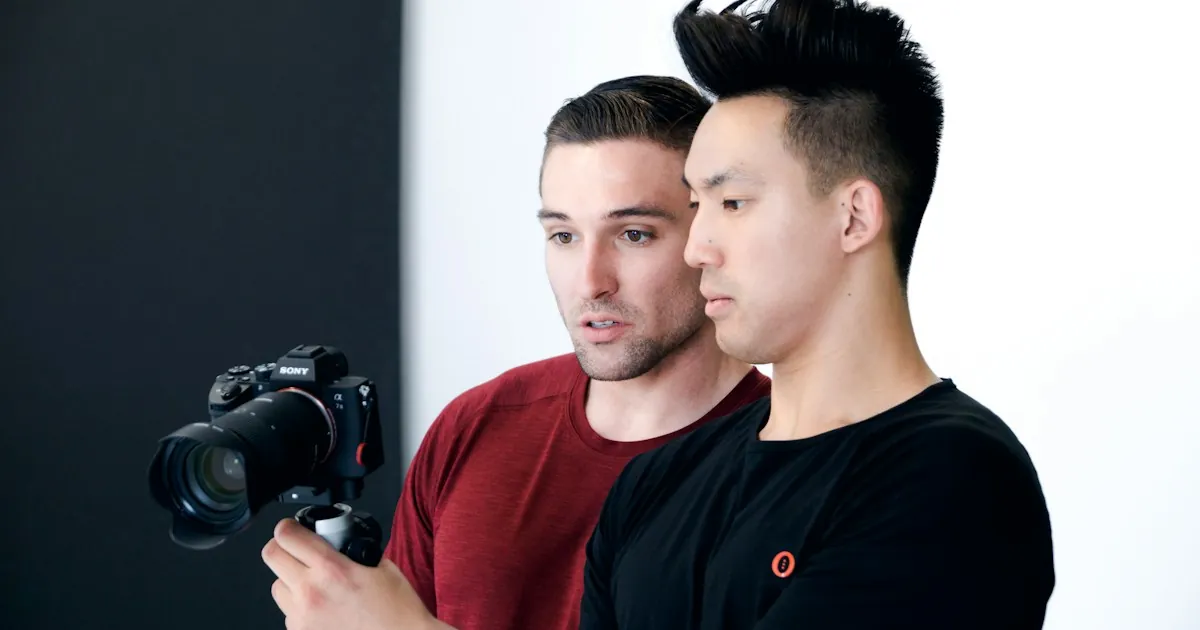
To collaborate with other creators, find someone at a similar stage whose audience overlaps yours without being the same, then agree three things in writing: who makes what, who owns it, and how it will be labelled. Publish with the platform's own collab tool so it reaches both audiences: Instagram lets you add up to five collaborators to a post, and YouTube up to 10 creators to a video.
This guide covers how to find the right partner, how the Instagram and YouTube tools behave, when a collab needs an ad label in India, the US and the UK, who owns what you make together, and how to spot the fake "collaboration" offers aimed at creators.
How do you find the right creator to collaborate with?
- Overlap, not duplicate. A food creator and a travel creator share viewers who like trips built around meals; two identical channels compete for the same ones.
- A similar stage. Both sides should bring something. YouTube's own collaboration tips tell creators to know their value before they pitch.
- A pitch with one clear idea, the format, and what each of you posts. Make it easy to say yes.
- A plan for afterwards. YouTube suggests using cards and mentions so viewers can go from one channel to the next.
How do Instagram Collab posts work?
A Collab post appears on more than one profile at once. According to Instagram's help centre:
- You can add up to five collaborators to a feed post, carousel or reel. Stories are not supported.
- When an account accepts, its username is added, the post is shared with its followers and it appears on its profile. Collaborators can see all the likes and comments.
- A private account can invite only accounts that follow it.
- The original author owns the post, and the author's settings apply. The author can remove a collaborator at any time, and a collaborator can remove themselves.
How does YouTube's Collaborations feature work?
On YouTube's help page, Collaborations let you invite up to 10 creators to a long-form video or a Short, or to an archived live stream, though not an active one. You add them in YouTube Studio, under "Collaboration" in the video details. Each name and a subscribe button appear once that creator accepts.
Two things to agree beforehand. The revenue goes to the channel that posted the video and is not split between collaborators. YouTube aims to recommend the video to all the collaborators' audiences, but says you may not notice a change in search or recommendations at first.
When does a collab need an ad label?
Whenever there is a "material connection", which is wider than money. In India, the ASCI guidelines for influencer advertising include free products, even unsolicited ones, discounts, trips, media barters and family or work ties. A collab where one creator promotes their own product or service to the other's audience may count.
| Where | Labels that work | What to avoid |
|---|---|---|
| India (ASCI) | Advertisement, Ad, Sponsored, Collaboration, Partnership, Free gift, Affiliate, Instagram's "Paid Partnership" tag, YouTube's "Includes Paid Promotion" tag | A label buried in hashtags or links, or only in your bio |
| United States (FTC) | "Advertisement", "ad", "sponsored" | Vague terms such as "sp", "spon" or "collab" |
| United Kingdom (ASA) | "Ad", "Advert", "Advertising", "Ad feature", up front | "Sponsored", "Gifted" or "In association with" |
ASCI and the FTC agree on the basics: put the label up front, in the post or video itself; use the platform's paid partnership tool as well as your own label, not instead of it; and in a video, show or say it in the video, not only in the description. The ASA likewise says Instagram's paid partnership label may not be enough on its own.
ASCI adds that both the brand and the creator are responsible, and the FTC's guide applies to creators outside the US whose posts reach US consumers.
A Collab post with a brand is not a label on its own. The UK's Advertising Standards Authority ruled that some of a creator's Collab posts with a brand were not identifiable as ads, because some users would not know the feature or the brand's handle, its guidance on social media ads records.
Who owns a video you make together?
Agree it before you shoot. In the US, the Copyright Office says creators who merge their work into one inseparable whole are joint authors, each with an interest in the whole work, and a transfer of rights generally has to be in writing and signed. In the UK, the Intellectual Property Office says joint owners must all agree before the work is used or licensed, and that collaborators can agree in advance who will own it.
Put it in a short written note: who posts the original, who may reuse clips and where, how any brand money is split, and what happens to the content if one of you wants it taken down.
Can you use music in a collab?
Check before you add a track. Instagram's licensed music library is for personal, non-commercial use, and some business accounts and post types cannot use it; tracks from its Sound Collection can be used commercially. YouTube's Audio Library offers royalty-free music you can monetise on YouTube, but its claimed-music rules do not apply off the platform.
How do you spot a fake collaboration offer?
Fake offers are aimed at creators who list a business email. Google's Threat Analysis Group documented a campaign that sent forged sponsorship emails, offering deals for VPNs, antivirus, games and editing tools, then sent malware disguised as software to "try", which stole the creators' login sessions. Some moved the conversation to WhatsApp, Telegram or Discord.
- Do not download software or open archives to "review" a deal.
- Take browser security warnings seriously, and turn on 2-Step Verification.
- Never pay upfront to join a collab. Instagram says a reputable organisation will not demand payment on the spot.
- Check the sender's real domain and the brand's own channels before you reply.
How does Zero Social help you find creators to collaborate with?
The Creators & Influencers community on Zero Social has a profile made for this, Influencer Collabs. It asks the platforms you are on, from Instagram and YouTube to podcasts, newsletters and WhatsApp channels, what you create, your following, from just getting started upwards, and the collabs you are open to: collab posts, reels or shorts together, podcast guest spots, cross-promotion, photoshoots, joint brand deals or building a product together.
So you can find a creator whose niche and size fit yours before you write to them, and message them for free, even before you match. Designers have their own profile in the same community, Design Connect, and members host plans such as a shoot day or a creator meetup.
Zero Social does not check follower counts or arrange brand deals. A creator's links are on their profile if they added them, so look at their own channels before you agree to anything. Join the Creators & Influencers community.
Want to meet people who share your interests?
Find creators to collaborate with on Zero SocialQuestions
Frequently asked
How many people can I add to an Instagram Collab post?
Up to five collaborators on a feed post, carousel or reel. Stories are not supported. The original author owns the post, and either side can end the collaboration at any time.
Do YouTube collaborators share the revenue?
No. YouTube says the channel that posted the collaboration video receives the earned revenue, and it is not split between collaborators. Agree any split between yourselves.
Is #collab enough to disclose a paid collaboration?
Not in the US: the FTC calls "collab" vague. ASCI in India lists "Collaboration" in full among permitted labels. "Ad" or "Advertisement" up front works under all three rule books.
Does a free product count as payment?
For disclosure, yes. ASCI counts free products as a material connection, even unsolicited ones, and the FTC counts free or discounted products, so the post needs a label.
Who owns a video two creators make together?
Often both of you, as joint authors, if your work is merged into one whole. In the UK all joint owners must agree before it is used or licensed, so agree ownership in writing before you start.
Does Zero Social verify follower counts?
No. The following band on an Influencer Collabs profile is what the creator chose. Their links are on the profile if they added them, so you can check their channels yourself.