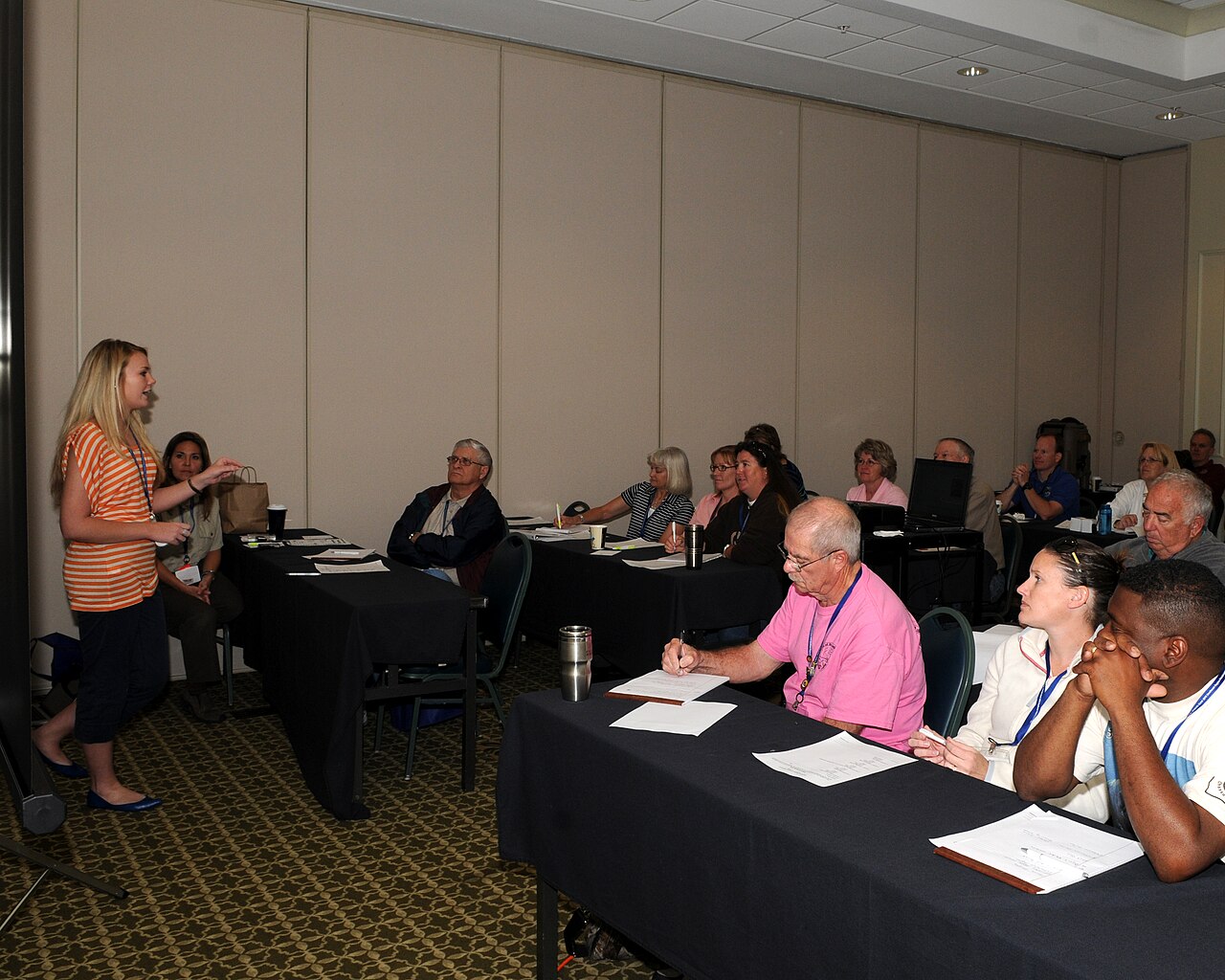
To find people who share your hobbies, start with one activity you genuinely enjoy, then look for places where the same people meet repeatedly. Classes, clubs, workshops, local events, online communities, and group plans all work better than randomly approaching strangers because the hobby gives you an immediate reason to talk.
A shared hobby is a starting point, not a guarantee of friendship. The useful combination is shared interest, repeated contact, compatible social pace, and mutual effort.
Why do hobbies make meeting people easier?
A hobby gives a conversation a subject. You can ask how someone started, what they are learning, or what they recommend without demanding private information. You can also see how the person behaves while doing something, which tells you more than a profile or a short introduction.
Harvard Health recommends group activities such as walking clubs, book clubs, games, leagues, and continuing-education classes as ways to meet people who share your interests. A 2020 field experiment also found that showing people things they have in common can encourage friendship formation. These findings support a practical approach: make the shared interest visible, then create opportunities to interact.
Which hobby should you use to meet people?
Choose the hobby you would continue even if the first session produced no new friend. If you choose an activity only because it seems social, you may stop attending before familiarity develops.
- Already enjoy it: photography, reading, running, gaming, cooking, music, crafts, or sport.
- Want to learn: language, dance, drawing, an instrument, or a practical skill.
- Want to do with others: walks, board games, volunteering, trips, creative projects, or group workouts.
Be specific. “I like art” is broad; “I want to sketch buildings on weekend walks” gives you a clearer search and an easier invitation.
Where can you find hobby groups?
| Place | Best for | What to check |
|---|---|---|
| Recurring class | Learning with the same people | Schedule, level, cost, and whether beginners are welcome |
| Club or local group | Regular activity and familiarity | Recent activity, organizer responsiveness, and group culture |
| Workshop or event | Trying an interest before committing | Group size, format, and a safe public venue |
| Online community | Paced conversation and niche interests | Moderation, clear rules, and opportunities beyond posting |
| Interest-based app | Finding people with stated intent | Privacy controls, activity details, and reporting tools |
Search for the hobby and your location, check libraries and community centers, ask specialty shops, and look at official club pages rather than relying only on old directory listings. A recently updated event page and a responsive organizer are useful signs that a group is active.
How do you start talking to someone in a hobby group?
Use the activity as your opener. Ask one question, share your own answer, and let the person decide how much to add:
- “What made you try this class?”
- “What are you working on at the moment?”
- “Do you have a favorite route or place for this?”
- “I’m new to this. What would you recommend learning first?”
Do not turn the exchange into an interview. Respond to the detail they seem excited about, and share something related about yourself. If you need more ideas, read what to talk about when meeting someone new.
Why does returning matter more than one great event?
One event can introduce you to people, but repeated attendance creates recognition. Return at the same time when possible, learn a few names, and contribute in a small way. You do not have to become the most social person in the room; being a familiar, considerate participant is enough.
Give a group more than one visit before deciding whether it fits. The second visit reveals whether people remember newcomers, make room for different experience levels, and treat the activity as a community rather than a performance.
How do you turn a hobby connection into friendship?
Make an invitation about the shared activity. “Would you like to practice together next week?” is clearer than “We should hang out sometime.” Keep the first plan short and public, and include another person or two if that feels more comfortable.
Afterward, follow up with something specific. Send a useful resource, ask how their project went, or suggest the next session. Friendship develops through small repeated contact, not through assuming that one shared interest means instant closeness.
What if your hobby is niche or mostly solo?
Widen the activity without abandoning the interest. A solo photographer can join a critique group or photo walk. A reader can try a silent reading group. A gamer can join a scheduled session or beginner-friendly community. Look for the social edge of the hobby: learning, sharing work, comparing approaches, or doing the activity together.
If no local group exists, begin online. Participate publicly before moving to private messages, and do not share sensitive information or agree to a private meeting immediately. An online connection can remain online or move gradually when mutual trust exists.
How can you choose a group that fits?
Compare groups by more than topic. Consider the schedule, cost, distance, experience level, group size, noise, accessibility, and whether people actually interact. A perfect hobby with an uncomfortable culture is a poor friendship environment.
Leave a group that pressures members, ignores boundaries, or makes participation feel unsafe. You are looking for people who enjoy the activity and treat one another well.
Find shared-interest communities on Zero Social
Zero Social communities give you a place to begin with an interest and a clearer reason to connect. Use the community as a starting point for conversation or a group plan; do not assume that every person wants the same kind of friendship.
When you meet someone you like talking with, be specific about the next step and respect a decline. For maintaining a connection after the first activity, read how to build lasting friendships as an adult.
Explore interest communities on Zero Social
A hobby-friend plan for this week
- Choose one specific hobby or activity.
- Find two active recurring groups or events.
- Attend one and speak to one person using the shared activity.
- Return before judging the group.
- Suggest one small hobby-related plan if the effort feels mutual.
The goal is not to collect contacts. It is to create enough repeated, comfortable interaction for a compatible friendship to have a chance.
Want to meet people who share your interests?
 Explore interest communities on Zero Social
Questions
Frequently asked
How do I find people who share my hobbies?
Choose a specific hobby and look for recurring classes, clubs, workshops, local events, and moderated online communities. Attend consistently and start with the shared activity.
What hobbies are good for making friends?
Any hobby with repeated group interaction can help, including classes, walking, games, sports, reading, volunteering, music, crafts, and creative projects.
How do I make friends in a hobby group?
Ask about the activity, share your own experience, return regularly, and suggest a small activity-related plan when conversation and effort feel mutual.
What if my hobby is not popular locally?
Look for adjacent activities such as workshops, critique groups, online communities, or group projects that create a social version of the same interest.
Can online hobby communities lead to real friendship?
They can provide a shared context for conversation. Move gradually, protect personal information, and meet in public only when both people are comfortable.